For most professional garment suppliers, making a sample for a printed T-shirt usually takes between 3 and 7 working days. This is the typical range when the factory already has the required fabric in stock, the design file is ready, and the printing method is straightforward. However, the actual timeline can be shorter or longer depending on fabric availability, design complexity, printing technique, sample quantity, and whether the buyer needs special labels, packaging, or size adjustments.
A simple printed T-shirt sample can sometimes be completed in 1 to 2 days. This is more likely when the supplier already has blank T-shirts in the correct color and size, the artwork is print-ready, and the printing method is fast, such as screen printing with existing screens or direct-to-garment printing for a single piece. In these cases, the factory mainly needs to confirm the print position, size, and color, then produce and check the sample.
If the sample requires custom fabric dyeing, special fabric sourcing, or new color matching, the process usually takes 5 to 10 working days. Custom dyeing adds time because the fabric must be dyed, dried, inspected, and sometimes tested for shrinkage or colorfastness before cutting. If the buyer wants a specific fabric weight, hand feel, or composition, the supplier may also need to check with fabric mills first. This stage often causes delays if requirements are not clearly defined at the beginning.

The printing method also affects sample time. Screen printing is efficient for bulk production, but sample preparation can take longer if new screens must be made, especially for multi-color designs. Each color usually requires a separate screen, and screen preparation needs time for film output, exposure, washing, and drying. Direct-to-garment printing is faster for one-off samples because it does not require screens, but it may not perfectly represent the final result for large screen-printed orders. Heat transfer and sublimation printing can be relatively quick, yet they depend on the availability of transfer films and suitable fabrics.
Design complexity matters as well. A simple one-color logo placed on the chest can be sampled quickly. A full-front graphic, all-over print, multi-color artwork, gradient colors, or special effects such as puff print, glitter, reflective ink, or foil will require more preparation. If the artwork needs adjustment for print resolution, color separation, or placement size, extra time should be allowed for communication and revision.
Another factor is whether the sample is a prototype or a pre-production sample. A prototype is mainly used to check design, fabric, print effect, and general fit. A pre-production sample should represent the final bulk order as closely as possible, including correct fabric, trims, labels, packaging, stitching, and print quality. Pre-production samples usually take longer because the factory must follow stricter standards and may need to prepare production-ready materials.
Buyer responsiveness also influences the schedule. If the buyer provides clear artwork, size specifications, color references, and prompt feedback, the sample can be finished faster. Delays often happen when files are missing, print positions are unclear, colors need repeated adjustment, or approval messages are slow. For international buyers, time zone differences should also be considered when planning sample deadlines.
A realistic timeline for a typical printed T-shirt sample may look like this:
Day 1: Confirm fabric, size, artwork, print method, and sample cost.
Day 2–3: Prepare blank garment, adjust artwork, and arrange printing.
Day 4–5: Complete printing, finishing, quality check, and packaging.
Day 6–7: Send photos or ship the sample, depending on the buyer’s request.
If the sample is urgent, many factories can provide an expedited service, but this may involve higher sample fees or limited material choices. It is usually better to plan at least one week for a normal sample rather than rushing every step. A rushed sample may look acceptable at first but can hide problems such as poor print adhesion, color deviation, fabric shrinkage, or uneven stitching.
Before placing a bulk order, always evaluate the sample carefully. Check the fabric quality, print clarity, color accuracy, wash durability, stitching neatness, label placement, and overall fit. If changes are needed, request a revised sample rather than assuming the issues can be fixed during mass production. A well-approved sample becomes the reference standard for the factory and helps reduce disputes later.
In summary, a printed T-shirt sample usually takes 3 to 7 working days under normal conditions. Simple cases may be finished within 1 to 2 days, while complex designs, custom fabrics, or special printing effects can extend the timeline to 7 to 10 days or more. Clear specifications, ready artwork, and timely communication are the most effective ways to shorten sample time without sacrificing quality.
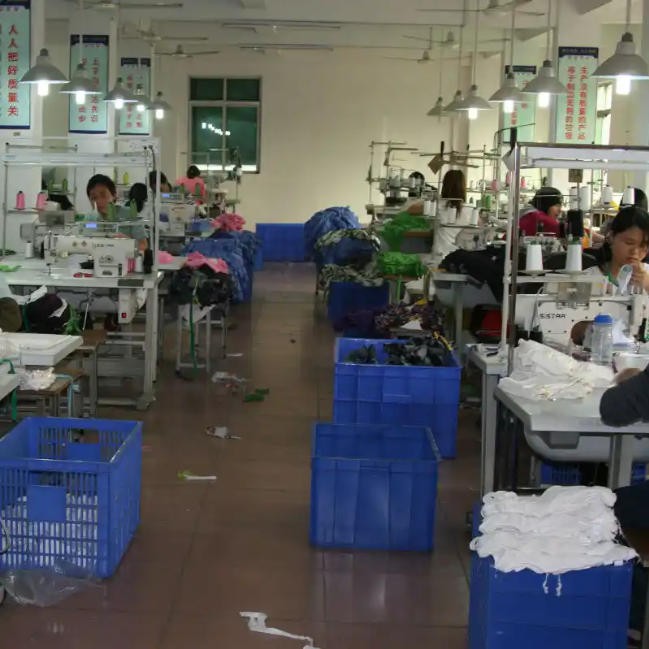 Factory
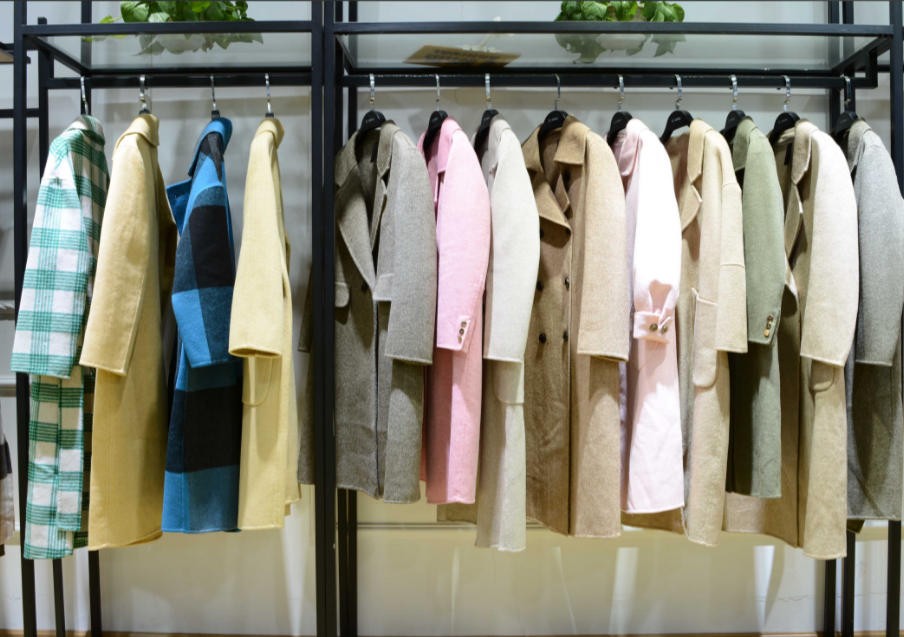 Factory